Strategic Guide
What Healthcare Leaders Should Expect from Modern Medical Networks

Historically, network participation has often been viewed as a transactional relationship focused primarily on reimbursement and access. Today’s healthcare environment calls for something more.
With nearly two-thirds of covered workers enrolled in self-funded health plans and healthcare costs projected to increase 9.5% in 20271, employers and their plan administrators are seeking flexible network strategies that can better balance affordability, access, and employee choice.
For healthcare organizations responsible for care delivery, this shift represents more than a contracting consideration. It creates an opportunity to become a strategic partner in helping employers facilitate access to high-quality, affordable care.
The strongest networks aren’t defined solely by reimbursement rates or directories. They’re built on shared goals, long-term collaboration, and a commitment to creating value for employers, providers, and the patients they serve.
Modern network strategies can create mutual value
Employers are increasingly looking for network partners that can help them balance affordability, employee choice, and access to quality care. That requires networks that are flexible enough to support different workforce needs while maintaining broad access and strong provider relationships.
The hospitals and health systems that deliver care are essential partners in helping employers design sustainable benefit strategies and work to improve the patient experience.
To enable a positive, balanced experience for healthcare organizations, networks must recognize that their role extends well beyond contracting.
A modern network should deliver:
- Competitive reimbursement
- Predictable patient volume
- Streamlined administrative processes
- Collaborative relationships
- Data that can be used to analyze and improve performance
When employers, providers, TPAs, and network organizations are aligned around these shared objectives, the healthcare system can work better for everyone.
Five benefits healthcare organizations should look for in a strategic network relationship
1. Built for sustainability
Strong networks invest in relationships — not just participation.
Long-term collaboration creates opportunities to better understand community healthcare needs, adapt to changing market dynamics, and work together to solve challenges facing employers and patients alike.
The most effective networks are built on trust, transparency, and a shared commitment to delivering value over time.
2. Data-informed collaboration
Healthcare has become significantly more transparent over the past several years.
Market intelligence, pricing data, utilization trends, and performance analytics are revealing a more complete understanding of healthcare markets than ever before.
Modern partnerships should use these insights to support productive conversations about competitiveness, access, and long-term sustainability — not simply to negotiate reimbursement.
With more health plan options in the market than ever, there’s added complexity in the payment process. Benefit caps, selective service coverage, and exclusions can make it challenging for providers to anticipate payment amounts. To mitigate the impact, providers need transparency on the front-end into what is covered and more engagement from the network on the back end to help reconcile payments.
When all parties have greater visibility into market dynamics, they are better positioned to make informed decisions. Ultimately, a network should seek to be fully informed of the entire claim life cycle to support accountability to their provider partners.
3. Benefit strategies that support high-value care
Value isn’t derived simply by being included in a network. Increasingly, employers are designing benefits that help members navigate toward high-quality, cost-effective care through benefit incentives, navigation tools, and thoughtful plan design.
For hospitals and health systems, early and ongoing engagement in these strategies can help strengthen patient relationships, improve continuity of care, and reduce unnecessary leakage.
Independent physicians and ancillary facilities should also expect support, education, and streamlined logistics to help their patients maximize the value of these health plan strategies while preserving their critical role in the care journey.
4. Flexibility that reflects today’s workforce
Healthcare needs vary from one employer to the next.
As more employers adopt self-funded health plans, they’re looking for network strategies that reflect the unique needs of their workforce rather than relying on one-size-fits-all approaches. Some organizations have employees concentrated in a single market, while others maintain workforces spread across multiple states or across the country. Remote work, hybrid work, and employee mobility continue to reshape how healthcare benefits are designed. Demographic differences may also exist in the form of gender concentration or age cohorts. This dynamic often drives a desire to incorporate point solutions that complement the network but may translate to new overhead or complexity if healthcare organizations within the network are not properly engaged.
Modern network partnerships should be flexible enough to support those differences while preserving broad access and enabling employers to tailor benefit strategies around the unique needs of their populations.
For providers, that flexibility creates opportunities to serve employers whose benefit strategies are becoming increasingly customized rather than standardized.
5. A shared commitment to healthcare affordability
Healthcare affordability isn’t a challenge any one stakeholder can solve alone.
Providers, employers, health plans, TPAs, and network organizations each play an important role in creating a healthcare system that delivers quality care while managing costs responsibly.
Modern network partnerships recognize that shared responsibility.
Rather than viewing providers simply as contracted participants, they should be strategic collaborators who help improve access, reduce unnecessary complexity, and support better outcomes for patients and employers alike.
From network participation to strategic collaboration
The most successful provider organizations are increasingly differentiating themselves through more than clinical excellence alone.
They are becoming trusted partners that can help employers deliver better healthcare experiences by combining high-quality care, operational excellence, patient-centered experiences, and collaborative engagement.
As employers continue to seek greater flexibility in their benefit strategies, providers that embrace this collaborative approach will be well positioned to build strong relationships with employers, TPAs, and network organizations alike.
Looking ahead
The future of healthcare networks will be defined by the strength of the hospitals, health systems, and independent practices behind those networks.
Healthcare leaders should expect network organizations to bring more than contracts. They should expect collaboration, transparency, and actionable market intelligence.
When strategies are built around these principles, everyone can benefit. Employers can gain flexible solutions. Patients can receive clear pathways to high-value care. And providers can have more predictable revenue volume while engaging with networks that help advance a more sustainable, affordable healthcare system.
That’s the future of modern networks — and it’s a future built on shared, sustainable success.
1 Employer healthcare costs projected to rise 9.5% in 2027 | Healthcare Finance
Related Content
New ideas, proven best practices, and fresh perspectives for the healthcare ecosystem.
-
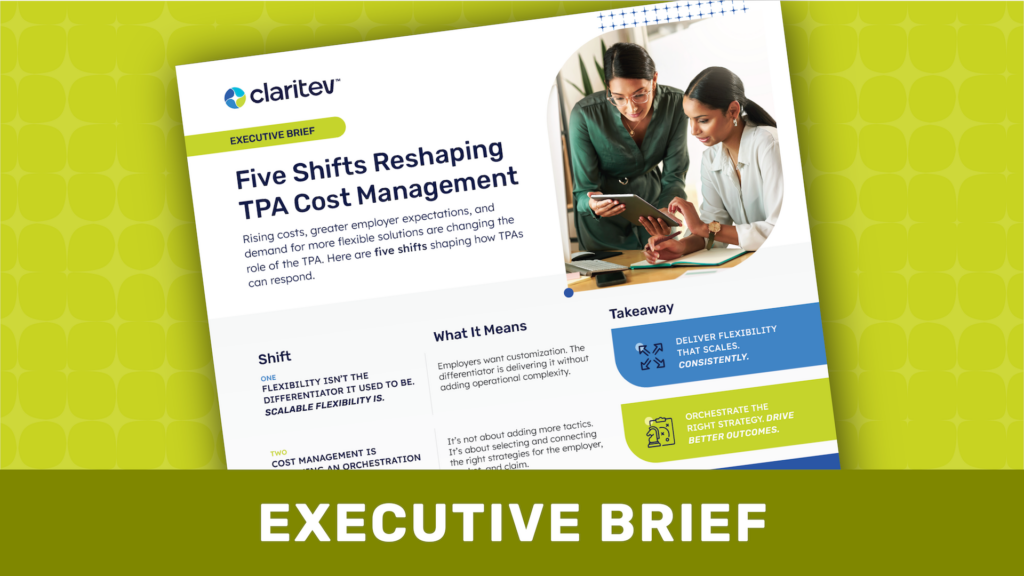
Five Shifts Reshaping TPA Cost Management
Our Executive Brief explores five shifts reshaping TPA cost management and what they could mean for TPAs looking to strengthen their role with employers.
Read More -

The Fountain of Youth in Healthcare is Fostering an Innovation Mindset
What keeps a 45-year-old healthcare company innovative in a rapidly changing market? Learn how strategic investment, operational agility, and actionable insights help organizations navigate…
Read More -
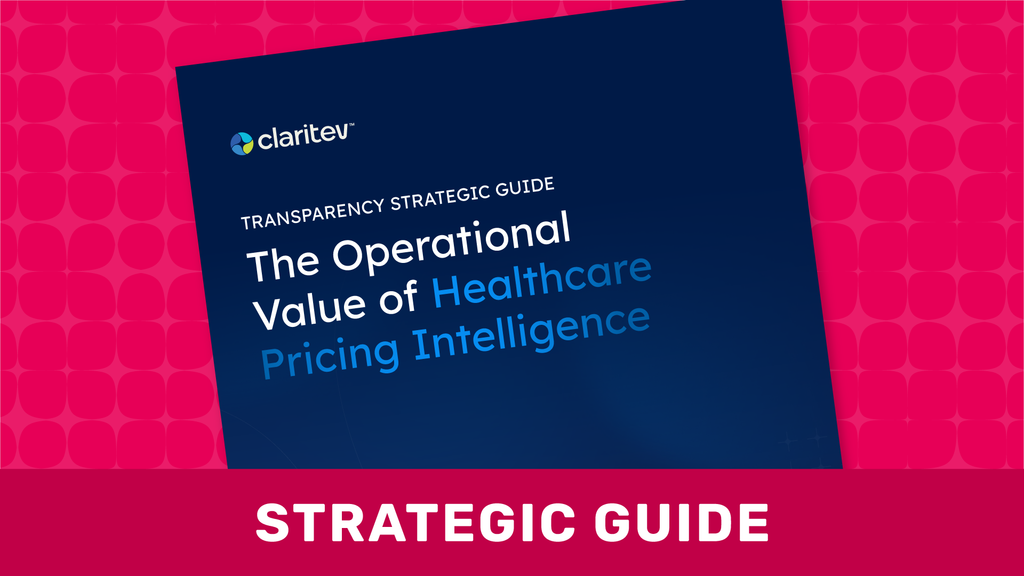
The Operational Value of Healthcare Pricing Intelligence
Healthcare transparency data offers significant potential, but turning it into actionable insights requires the right strategy. Learn how healthcare pricing intelligence helps organizations improve…
Read More