How the ESRD process works. And why it sometimes doesn’t.
Members with End-Stage Renal Disease (ESRD) significantly impact your Medicare Advantage plan—learn how to navigate the complex process for recovering millions in underpaid premiums.

Members with End-Stage Renal Disease (ESRD) significantly impact your Medicare Advantage plan—learn how to navigate the complex process for recovering millions in underpaid premiums.

Ensuring accurate premium payments for your Medicare Advantage members requires the right people, processes, and technology. Find out which four steps you can take to capture underpaid Medicare Secondary Payer(MSP) & End-Stage Renal Disease (ESRD) premiums and ensure accurate premium payments going forward for your Medicare Advantage members.

Given the many changes in 2021, Medicare Advantage plans and their members will need to adjust. These changes are positive for members—for health plans, these changes can have a profound impact and will require the health plans to keep a close eye on cost-containment strategies.

Members with End-Stage Renal Disease (ESRD) account for a disproportionate amount of medical expenses. Learn what you can do by following these five steps to ensure your Medicare Advantage plan doesn’t miss out on millions of medical premiums from the Center for Medicare and Medicaid Services (CMS) for members with End-Stage Renal Disease (ESRD).

Managing a Medicare Advantage network involves complex, resource-intensive tasks—from ensuring adequacy and compliance to credentialing, provider support, and reporting. By offloading these seven network-based functions to a trusted partner, healthcare payors can streamline operations, maintain regulatory alignment, and focus on strategic priorities while improving network performance and efficiency.

Strong provider relationships are the foundation of effective healthcare networks. By leveraging long-standing partnerships, deep provider insights, and an extensive network, healthcare payors can build compliant, high-performing networks faster—improving access to care while maintaining efficiency, flexibility, and strong collaboration across the healthcare ecosystem.
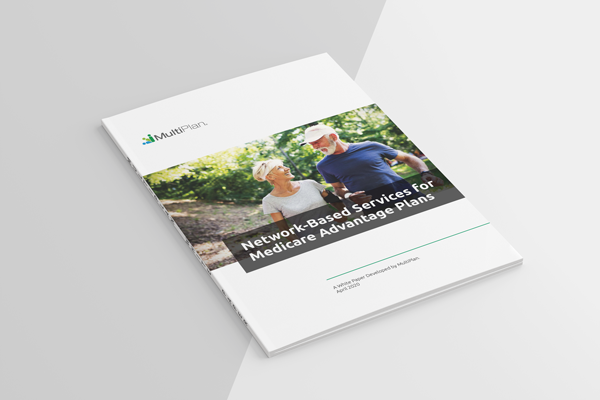
Healthcare organizations face growing pressure to manage cost, compliance, and network complexity in Medicare Advantage. This white paper shows how network-based services streamline key functions, improve efficiency, and expand access to quality care.

A large healthcare carrier faced the challenge of enhancing protection against balance billing while preserving the cost advantages of its reimbursement model. Through strategic negotiation parameters—balancing provider incentives and member value—Claritev delivered more transparent agreements, achieving significantly higher savings with minimal impact on negotiation success rates.