
It all started with a routine physical in my mid-30s.
My doctor removed the cuff from around my arm, glanced at me, and checked his notes. “For someone who runs as much as you do and follows a vegetarian diet, you’ve had somewhat high blood pressure readings for a couple of years now,” he said. “Let’s do some tests.”
One echocardiogram later, that routine checkup turned into a critical, life-changing insight: I learned that I’d been born with a faulty aortic valve. Normally this valve has three flaps (tricuspid); mine had only two (bicuspid). Over time, that difference caused an aneurysm—a bulge to form on my aorta. The high blood pressure was a symptom.
My world stopped.
I was deep into a journey to improve my health and fitness. I had cleaned up my diet, fell in love with running marathons and ultramarathons (races longer than the standard 26.2-mile marathon), and shed 50 pounds. I was in tip-top shape—and suddenly had to scale back the sport that had become central to my life while we figured out what came next.
So we watched and waited. Under the care of my doctor and cardiologist, I underwent annual tests to monitor the valve and aneurysm. Each scan added another data point—another moment of clarity about whether it was safe to keep moving forward, or time to change course. Thankfully, my health remained stable. So stable, in fact, that I was cleared to gradually and carefully return to long-distance running.
Then, in March of 2022, after completing long-distance race #105—a 50-mile desert trail race in Arizona—my annual echocardiogram delivered the news I’d been bracing for: Over the past year, my aneurysm had grown large enough to consider surgery.

That decision was a no-brainer for me and my family. I was in my early 50s, otherwise healthy, and still had a long list of things I wanted to do—including plenty of races left on my bucket list.
The data was clear. It was time to act.
I had open-heart surgery in May of 2022. I officially joined the Zipper Club—named for the scar down my sternum. The surgeon repaired the valve, removed the damaged section of my aorta, and replaced it with a synthetic sleeve.
Recovery was humbling. Standing up felt like a marathon. Walking from the bed to the bathroom felt like an ultra marathon. But the work I’d done before surgery mattered. My baseline fitness gave me a foundation to rebuild from — one careful step at a time.
Throughout recovery, my mantra was simple: I’m on the path to long-distance race #106. I wasn’t focused on speed or distance. I was focused on progress.

Six weeks after surgery, my cardiologist and surgeon gave me words I’ll never forget: “You have no restrictions.”
The two miles I slowly jogged along a local rail trail the next day were two of the happiest miles of my life.
From there, I rebuilt patiently. Four and a half months after open-heart surgery, I completed the Hartford Marathon—our home-state race, surrounded by friends and family. It was the perfect setting for a comeback. I crossed the finish line, broke down in tears, and fell into the arms of my wife and younger daughter.
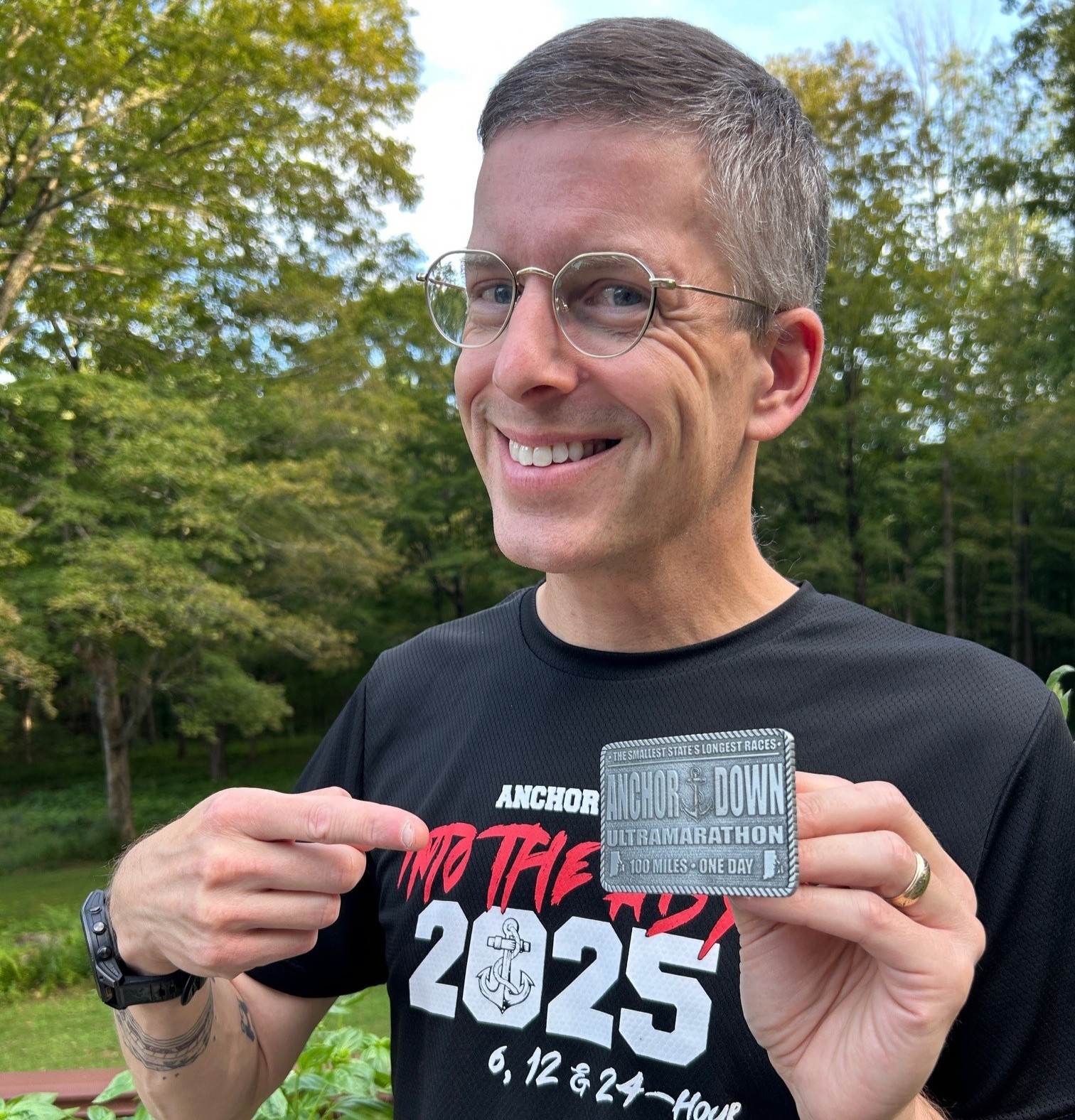
That finish opened the door to even bigger goals. I’ve since grown to love multi-day ultramarathons—races where you run loops on repeat for three or six days. I’ve exceeded 300 miles three times, with 377.5 miles as my personal best at the Across the Years six-day race, one I’d dreamed about for years. Bucket list race: Check.
Through it all, I’ve followed a simple mantra: Live urgently. Because you never know when something you love might be taken off the table.
I live urgently by telling my family and friends how much they mean to me. By appreciating my colleagues and the work we do together—including here at Claritev—to help bring clarity to complex decisions. And by running with gratitude, valuing every step I take.
Clarity in Action
As we recognize American Heart Month this February, my story is a reminder of what’s possible when you have access to better information for decision-making in healthcare. Multiple data points that lead to clear insight, at the right moment.
Knowledge isn’t just power — it gives you the ability to act. When you have visibility into what’s happening inside your own body, you can make informed decisions about your health, your future, and your life.
My advice is simple: Schedule your checkup. Work with your doctors before undertaking your own personal health or fitness journey. Ask questions. Pay attention to the signals. When you have the information you need, use it.
And always live urgently.